
High-Quality Dam Dredged Sand
Stonage Infrastructure supplies dam dredged construction sand — extracted directly from dam reservoirs. Salt-free, neutral pH, and zero impurities.
- pH 6.8–7.2 Certified
- Zero Salt
- Licensed Supplier
Salt Content — Absolutely Zero
0
%
Neutral pH — Ideal for Cement
0
.0
Dam Dredged — Pure Source
0
%
our story
Born From Kerala's Dam Reservoirs
Stonage was built on a single belief — Kerala’s construction industry deserves sand it can truly trust. We source exclusively from licensed dam reservoir zones in and around Trivandrum, where decades of hydraulic settling produce naturally clean, well-graded material unlike anything quarried or dredged from open riverbeds.
Dam-dredged sand carries no saline contamination, minimal silt, and consistent particle distribution — making every load predictable for your mixes and durable in your structures for generations.
Dam Reservoir Source
Controlled zones, decades of natural washing.
pH Tested Every Batch
6.8–7.2 certified before every dispatch.
Fully Documented
Licence, test cert, and challan — always.
Direct Supply
No middlemen. Site delivery across Trivandrum & Kollam
7.0
Neutral pH — Certified
A pH between 6.8 and 7.2 protects cement bonds, prevents rebar corrosion, and eliminates efflorescence in finished plasterwork — the single most important invisible quality marker in construction sand.
Quality Assurance
Why Builders Trust Stonage
Not every sand looks different. But it performs differently. Particle shape, pH, salt content, gradation — these invisible properties determine whether your structure lasts decades or generations.
Dam Reservoir Source
Controlled zones where water flow is regulated. Material settled and washed naturally over years — not scooped from exposed, contaminated open riverbeds..
Neutral pH — Every Batch
pH 6.8–7.2. No alkali or acid that attacks cement bonds, corrodes reinforcement, or causes cracking. Test report issued with every delivery.
Consistent Gradation
Decades of hydraulic sorting produces naturally well-graded particles — consistent mix ratios, less cement, stronger concrete.
Zero Salt Contamination
No sea proximity, no tidal influence. Free of chlorides that cause efflorescence and long-term RCC corrosion..
Direct Pricing
No middlemen. Competitive pricing direct from source, with flexible load sizes from individual plots to large commercial projects.
Sand Comparison
How Does Dam Sand Stack Up?
Not all sand is equal. An honest, parameter-by-parameter comparison of how Stonage dam-dredged sand performs against the alternatives most commonly used across Kerala’s construction sites.
Scroll to compare
| Parameter | Dam-Dredged Sand✦ STONAGE | River Bed Sand | M-Sand (Manufactured) | Beach Sand |
|---|---|---|---|---|
| pH Level | Neutral 6.8–7.2 ✓ | Varies 6.5–8.0 | Alkaline 8.0–9.5 | Saline / Alkaline ✗ |
| Salt / Chloride Content | Negligible ✓ | Low to Medium | Negligible ✓ | High — risky ✗ |
| Silt & Clay Content | Very Low ✓ | Often High ✗ | Controlled ✓ | Medium |
| Particle Shape | Rounded — workable ✓ | Rounded ✓ | Angular — harsh ✗ | Rounded |
| Gradation Consistency | Well-graded ✓ | Inconsistent | Controlled ✓ | Poorly graded ✗ |
| Plastering Finish | Smooth, crack-free ✓ | Acceptable if clean | Harsh, more water ✗ | Efflorescence risk ✗ |
| Rebar Corrosion Risk | None ✓ | Low to Medium | None ✓ | High ✗ |
| Water Demand in Mix | Low — efficient ✓ | Medium | High ✗ | Medium |
| Cement Consumption | Optimised ✓ | Moderate | Higher ✗ | Higher ✗ |
| Supply Documentation | Licence + test cert ✓ | Varies | Available ~ | Often informal ✗ |
| Legal Status in Kerala | Licensed operation ✓ | Often illegal ✗ | Legal ✓ | Restricted ✗ |
| Long-Term Durability | Excellent ✓ | Good if clean | Good | Poor ✗ |
* Assessment based on typical supply conditions in Kerala. Riverbed sand quality varies significantly by source and season.
Applications
Where Stonage Sand Performs
From individual home builds to large commercial structures — wherever quality, consistency, and documentation matter.
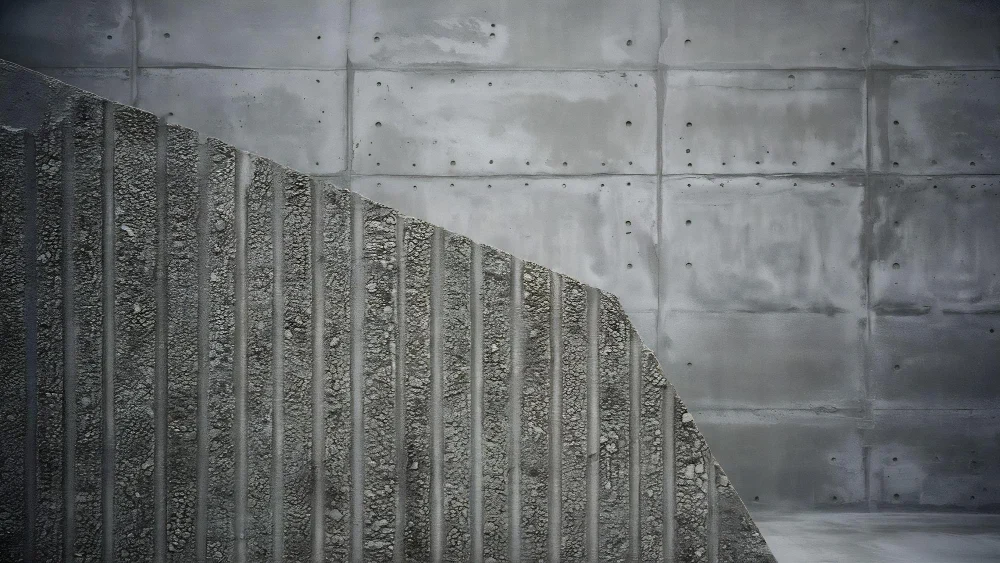
RCC & Concrete
Neutral pH and clean particles deliver consistent compressive strength and reduced water-cement ratio for slabs, columns, and footings.
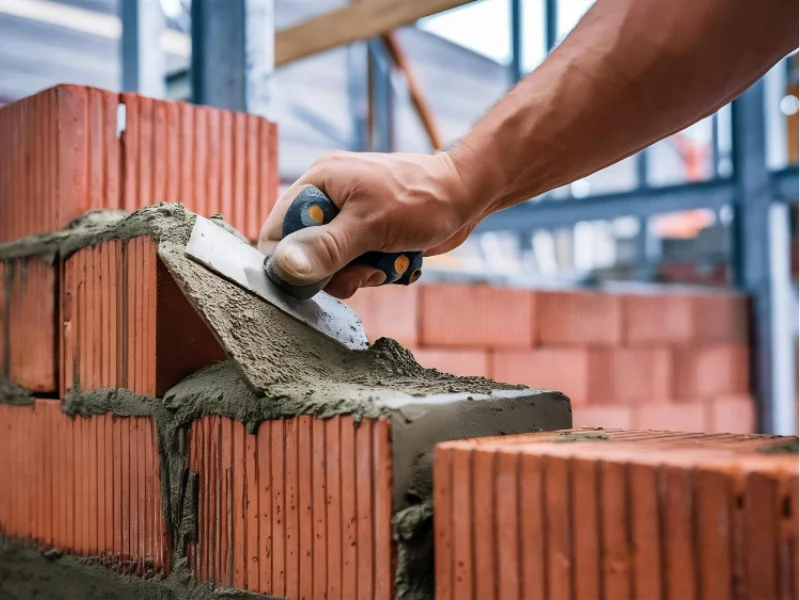
Brickwork & Blockwork
Rounded particles and low silt make mortar workable with excellent bond strength for brick and AAC block laying.
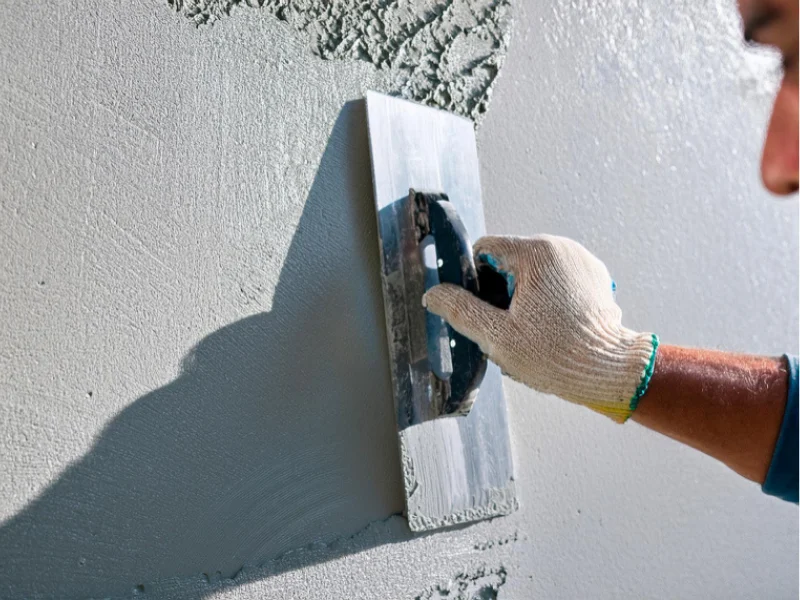
Plastering
Salt-free particles produce smooth, crack-free plaster with no efflorescence or paint adhesion issues.
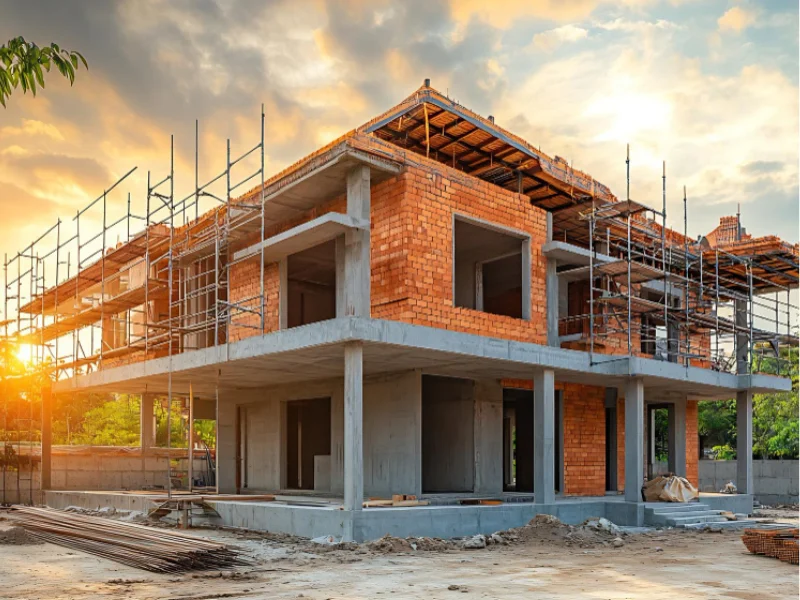
Homes & Villas
For homeowners who want lasting peace of mind — sand that protects plasterwork and structural integrity for decades.
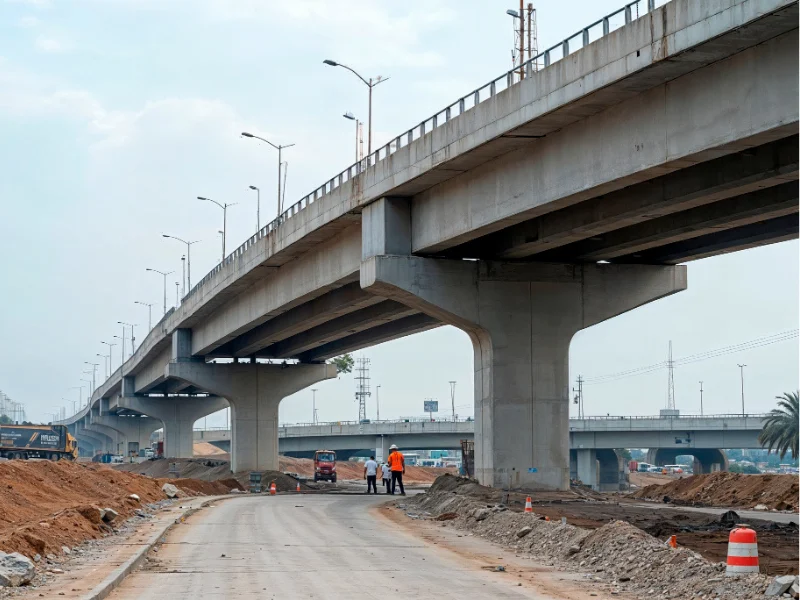
Roads & Drainage
Well-graded material for sub-base filling, drainage bedding, and road construction where consistent compaction is critical.
From Dam to Your Site
01
Licensed Dam Dredging
Sand is extracted from approved dam reservoir zones using controlled hydraulic dredging, in full compliance with Kerala state mining regulations. Every load is source-traceable.
02
Washing & Screening
Raw material passes through water-wash screens to remove silt, clay, organic matter, and oversized particles — producing consistently graded, clean sand.
03
pH Testing & Certification
Every batch is tested before dispatch. Only material within pH 6.8–7.2 is cleared. Your test report travels with your delivery — without exception.
04
Site Delivery
Delivered across Trivandrum and Kerala in tipper trucks. Flexible load sizes — plots to large commercial projects. Challan and supply certificate always included.
Local Trust
How Does What Kerala Builders Say
Builders, contractors, and homeowners across Trivandrum and Kerala.
Building my own home, I didn’t want to compromise on materials. Stonage explained the dam source, the pH testing — and you can feel the difference in how the mortar works.
Dr.Simi Divan
Homeowner, Kaniyapuram, Trivandrum
The pH test report with every delivery gave us complete confidence for our RERA-registered project. Documentation was consistent and quality never varied — exactly what institutional projects demand.
Anoop Krishnan
Project Manager, Kowdiar
We’ve been using Stonage for all our plastering work across Trivandrum. The finish is noticeably smoother and we’ve had zero efflorescence complaints from clients — that’s rare with local suppliers.
Rajesh Menon
Civil Contractor, Trivandrum
Common Questions About River Sand in Kerala
Straight answers on dam sand, M-Sand, pH testing, legality, and what to look for when choosing sand for your construction project in Kerala.
Dam-dredged river sand is natural river sand extracted from the bed of licensed dam reservoirs using hydraulic dredging equipment. Unlike sand scooped from open riverbeds or quarried rock, dam-dredged sand has been submerged and naturally washed in controlled water bodies for years — resulting in clean, well-graded, silt-minimal material ideal for construction.
Dam-dredged sand is superior to ordinary river sand for three key reasons. First, it is extracted from controlled reservoir zones where contamination is minimal, unlike open riverbeds exposed to agricultural runoff and organic matter. Second, the extended hydraulic settling process produces consistent particle gradation. Third, dam-dredged sand contains negligible salt and chloride — protecting both cement bonds and steel reinforcement from long-term degradation.
pH neutral sand has a pH value between 6.8 and 7.2 — neither acidic nor alkaline. Alkaline sand (pH above 8) can disrupt cement hydration, reduce bond strength, and accelerate corrosion of reinforcement bars. Acidic sand can dissolve calcium compounds in concrete over time. pH neutral sand eliminates both risks, ensuring long-term structural integrity and crack-free plasterwork.
Yes. Stonage operates under valid licences issued by the Kerala state mining and geology department. All supply is fully compliant with Kerala's sand mining regulations. Every delivery is accompanied by source documentation, a pH test certificate, and a delivery challan — making it suitable for government tenders, RERA-registered projects, and institutional construction.
M-Sand particles are angular and rough, requiring more water and cement in the mix, whereas river sand particles are rounded and smooth, producing more workable mortar with lower water demand. M-Sand is typically alkaline (pH 8–9.5), while dam-dredged river sand from Stonage is pH neutral (6.8–7.2). For plastering specifically, river sand produces a smoother, crack-free finish compared to M-Sand.
River sand is significantly better for plastering than M-Sand. The rounded particle shape produces smooth, workable mortar that adheres well and dries without cracking. M-Sand's angular particles create a harsher mix that requires more water, increasing the risk of shrinkage cracks and surface roughness. M-Sand's higher pH can also cause efflorescence — white salt deposits on finished walls — which river sand does not.
Beach sand should not be used for construction. It contains high levels of salt and chloride from seawater exposure, which causes efflorescence on plastered surfaces and accelerates corrosion of steel reinforcement bars inside RCC structures — significantly reducing the lifespan of the building. Beach sand also has poor gradation, meaning inconsistent particle sizes that weaken concrete mixes.
Open riverbed sand mining has been heavily restricted and in many areas banned in Kerala due to severe environmental consequences including riverbank erosion, falling water tables, and ecosystem destruction. Sand mined from open riverbeds without proper licensing is considered illegal under Kerala's River Sand Policy. Dam-dredged sand from licensed reservoir zones is a legal, regulated alternative.
Every batch of sand supplied by Stonage is tested for pH before dispatch using standardised laboratory methods. The pH test report is issued with every delivery along with your delivery challan and supply certificate. No batch with a pH reading outside 6.8–7.2 is cleared for supply.
Every Stonage delivery includes three documents: a source licence confirming the sand is legally extracted from a licensed dam reservoir, a pH test certificate confirming the batch falls within 6.8–7.2, and a delivery challan with quantity and source details. This documentation meets requirements for government contracts, RERA-registered projects, and institutional construction.
Dam-dredged river sand is the best sand for construction in Trivandrum and across Kerala. It is legal, pH neutral, salt-free, well-graded, and comes with full supply documentation. Stonage supplies dam-dredged river sand directly from licensed reservoir zones in and around Trivandrum, making it the most reliable option for residential, commercial, and government construction in the region.
Stonage is based in Trivandrum and supplies dam-dredged river sand across Kerala. Delivery is available for residential plots, apartment projects, commercial construction, and large infrastructure works. Contact Stonage directly for availability and delivery scheduling to your specific location.
Yes. Stonage supply documentation — including source licence and pH test certificate — meets the material verification requirements of RERA-registered projects in Kerala. Contractors and developers working on RERA-registered residential and commercial projects can rely on Stonage for compliant, documented sand supply.
You can get a quote from Stonage by calling directly, sending a WhatsApp message, or filling the contact form on this page. Share your project location, required quantity, and intended use — concrete, plastering, or masonry — and we will respond within the hour with pricing and availability.